Friday, March 30, 2007
Diagnosis of Vulvodynia
The diagnosis of this aliment can be a difficult one; many times it is done by eliminating other illnesses first. A physical examine will be conducted; including a careful examination of the vulvar and vagianal area. This is done to first rule out sexually transmitted diseases, infections or any other types of skin disorders. A swab of the area is done, and then the Q-tip test is often given. This is done to locate the area in which the pain is most severe. A biopsy of the area might also be done; a piece of the tissue is routinely removed from the area, and examined under the microscope. In some cases, a colonoscopy may also be done, in order to examine the vulva area.

Thursday, March 29, 2007
Vulvodynia
 Vulvodynia is the described as a pain of the vulva area of a woman. The exact cause of Vulvodynia is unknown; most doctors believe that it may be a result of a series of factors. It could be due to an injury or irritation of the nerves that are in and around the vulva. Others believe it has to do with an individual likelihood of getting yeast infections, or an allergic reaction to some chemicals in the soap or detergent that you use. Some individuals with this condition have a past history of sexual abuse also. The pain can last for a couple of months and make the easiest of tasks difficult for the individual inflicted.
Tuesday, March 27, 2007
Hemmorroid Examination

After visual examination of the anus and surrounding area for external or prolapsed hemorrhoids, a doctor would conduct a digital examination. In addition to probing for hemorrhoidal bulges, a doctor would also look for indications of rectal tumor or polyp, enlarged prostates and abscesses.
Visual confirmation of hemorrhoids can be done using a medical device called an anoscope. This device is basically a hollow tube with a light attached at one end that allows the doctor to see the internal hemorrhoids, as well as polyps in the rectum.
If warranted, more detailed examinations, such as sigmoidoscopy and colonoscopy can be performed. In sigmoidoscopy, the last 60cm of the colon and rectum are examined whereas in colonoscopy the entire bowel is examined.
A pathologist will look for dilated vascular spaces which exhibit thrombosis and recanalization.
Visual confirmation of hemorrhoids can be done using a medical device called an anoscope. This device is basically a hollow tube with a light attached at one end that allows the doctor to see the internal hemorrhoids, as well as polyps in the rectum.
If warranted, more detailed examinations, such as sigmoidoscopy and colonoscopy can be performed. In sigmoidoscopy, the last 60cm of the colon and rectum are examined whereas in colonoscopy the entire bowel is examined.
A pathologist will look for dilated vascular spaces which exhibit thrombosis and recanalization.
Monday, March 26, 2007
Similar symptoms
Symptoms associated with rectal cancer, anal fissure, anal abscess, anal fistula, and other diseases may be similar to those produced by hemorrhoids and may be reduced by the topical analgesic methods described above. For this reason, it is a good idea to consult with a physician when these symptoms are encountered, particularly for the first time, and periodically should the problem continue.
Saturday, March 24, 2007
Keep this in mind!
There’s a reason they call it labor. Any mom-to-be knows her body will go through a workout to bring her new beloved into the world. It’s a small price to pay, of course. And any resulting physical problems usually go away.
Unfortunately, some new mothers end up paying an inflated price: lasting muscle and joint pain, incontinence (urine leakage) and pain during intercourse.
Fortunately, there’s good news: You don’t have to live with these “souvenirs” of pregnancy. They’re not normal, they are treatable – and you don’t need drugs or surgery.
The treatment of choice, according to women’s health experts and clinical studies? Physical therapy (PT), which directly addresses the anatomical causes of these postpartum problems.
The first step is to see your doctor to rule out non–childbirth-related causes of your pain or incontinence. Raquel Perlis, R.P.T., is a physical therapist specializing in women’s health, a frequent lecturer to gynecologists and sex therapists, and a member of the American Physical Therapy Association (APTA) Section on Women’s Health. She advises postpartum women not to be afraid to communicate with their doctors.
“If you have incontinence or painful sex, some doctors say, ‘What do you expect? You just had a baby!’ ‘It will get better with time’ or ‘You just need to relax,’” Perlis notes. But she urges that “if you don’t get the right answers, look elsewhere. Untreated problems can get worse.”
Unfortunately, some new mothers end up paying an inflated price: lasting muscle and joint pain, incontinence (urine leakage) and pain during intercourse.
Fortunately, there’s good news: You don’t have to live with these “souvenirs” of pregnancy. They’re not normal, they are treatable – and you don’t need drugs or surgery.
The treatment of choice, according to women’s health experts and clinical studies? Physical therapy (PT), which directly addresses the anatomical causes of these postpartum problems.
The first step is to see your doctor to rule out non–childbirth-related causes of your pain or incontinence. Raquel Perlis, R.P.T., is a physical therapist specializing in women’s health, a frequent lecturer to gynecologists and sex therapists, and a member of the American Physical Therapy Association (APTA) Section on Women’s Health. She advises postpartum women not to be afraid to communicate with their doctors.
“If you have incontinence or painful sex, some doctors say, ‘What do you expect? You just had a baby!’ ‘It will get better with time’ or ‘You just need to relax,’” Perlis notes. But she urges that “if you don’t get the right answers, look elsewhere. Untreated problems can get worse.”
Friday, March 23, 2007
Depression drug's effect on baby
Provided by: Canadian Press
Written by: HELEN BRANSWEL
TORONTO (CP) - Weaning women off antidepressants known as selective seratonin reuptake inhibitors in the final trimester of pregnancy to protect their babies can be an unwarranted and dangerous practice, experts suggest in a commentary published in a medical journal Tuesday.
The authors, led by the director of The Hospital for Sick Children's Motherisk program, said withdrawal of the medication can put the mental health of mothers at serious risk - potentially jeopardizing their babies in the process.
They suggest the transient and treatable symptoms some babies experience after prenatal exposure to the drugs represent "a lesser evil" in comparison to the risk to the mother's mental health.
"No one will convince me that being a baby of a psychotic mum who was taken inappropriately off of a drug served the baby's needs. There's no way. We see terrible stuff," said Dr. Gideon Koren, director of Motherisk and lead author of the article, published in the Canadian Medical Association Journal.
"Like everything in medicine, you have to strike a risk/benefit balance. And what we know about the baby now is that the risk is very small. We know that many of the women may have a huge risk."
Untreated depression in pregnancy can lead to suicidal thoughts, substance abuse, hypertension, spontaneous abortion, low-weight babies and post-partum depression, the authors note.
The U.S. Food and Drug Administration and Health Canada last summer instructed makers of these antidepressants - more commonly called SSRIs - to issue warnings about post-birth complications noted in some babies born to women taking the drugs. Medications in this class include Paxil, Prozac and Zoloft.
Up to 30 per cent of newborns exposed to the drugs before birth experience some of a constellation of symptoms that have been given the name "poor neonatal adaptation." Affected newborns display jitteriness, poor muscle tone, weak cries, respiratory problems that may require use of a ventilator and occasionally seizures.
Doctors were advised to consider gradually decreasing the mother's SSRI dosage in her final trimester to ensure the fetus received no drug for at least seven to 10 days before delivery.
Written by: HELEN BRANSWEL
TORONTO (CP) - Weaning women off antidepressants known as selective seratonin reuptake inhibitors in the final trimester of pregnancy to protect their babies can be an unwarranted and dangerous practice, experts suggest in a commentary published in a medical journal Tuesday.
The authors, led by the director of The Hospital for Sick Children's Motherisk program, said withdrawal of the medication can put the mental health of mothers at serious risk - potentially jeopardizing their babies in the process.
They suggest the transient and treatable symptoms some babies experience after prenatal exposure to the drugs represent "a lesser evil" in comparison to the risk to the mother's mental health.
"No one will convince me that being a baby of a psychotic mum who was taken inappropriately off of a drug served the baby's needs. There's no way. We see terrible stuff," said Dr. Gideon Koren, director of Motherisk and lead author of the article, published in the Canadian Medical Association Journal.
"Like everything in medicine, you have to strike a risk/benefit balance. And what we know about the baby now is that the risk is very small. We know that many of the women may have a huge risk."
Untreated depression in pregnancy can lead to suicidal thoughts, substance abuse, hypertension, spontaneous abortion, low-weight babies and post-partum depression, the authors note.
The U.S. Food and Drug Administration and Health Canada last summer instructed makers of these antidepressants - more commonly called SSRIs - to issue warnings about post-birth complications noted in some babies born to women taking the drugs. Medications in this class include Paxil, Prozac and Zoloft.
Up to 30 per cent of newborns exposed to the drugs before birth experience some of a constellation of symptoms that have been given the name "poor neonatal adaptation." Affected newborns display jitteriness, poor muscle tone, weak cries, respiratory problems that may require use of a ventilator and occasionally seizures.
Doctors were advised to consider gradually decreasing the mother's SSRI dosage in her final trimester to ensure the fetus received no drug for at least seven to 10 days before delivery.
Thursday, March 22, 2007
Where to find help for postpartum conditions.
Where to Find Help
First, a word of financial reassurance: Most insurance plans cover physical therapy for postpartum conditions. For verification and specifics, contact your insurance company.
The Right Physical Therapist
Not all physical therapists treat postpartum problems. Women’s health PT is a specialty requiring extra training. For help locating a qualified therapist, contact:
American Physical Therapy Association Section on Women’s Health – click on “Locate a Therapist”; 800-999-APTA (999-2782).
The Right Doctor
According to physical therapist Rhonda Kotarinos, “Doctors are more sophisticated about the role of physical therapy in musculoskeletal pain and incontinence. But for vaginal and pelvic pain, they’re less so.” To locate a knowledgeable doctor, contact:
International Pelvic Pain Society – 800-624-9676 or 205-877-2950.National Association for Continence – 843-377-0900. National Vulvodynia Association – click on “Patient Services” and then “Physician Referral”; 301-299-0775. Vulvodynia is chronic vaginal pain that may or may not be related to childbirth; but any doctor who is versed in vulvodynia should be knowledgeable about postpartum vaginal pain.
First, a word of financial reassurance: Most insurance plans cover physical therapy for postpartum conditions. For verification and specifics, contact your insurance company.
The Right Physical Therapist
Not all physical therapists treat postpartum problems. Women’s health PT is a specialty requiring extra training. For help locating a qualified therapist, contact:
American Physical Therapy Association Section on Women’s Health – click on “Locate a Therapist”; 800-999-APTA (999-2782).
The Right Doctor
According to physical therapist Rhonda Kotarinos, “Doctors are more sophisticated about the role of physical therapy in musculoskeletal pain and incontinence. But for vaginal and pelvic pain, they’re less so.” To locate a knowledgeable doctor, contact:
International Pelvic Pain Society – 800-624-9676 or 205-877-2950.National Association for Continence – 843-377-0900. National Vulvodynia Association – click on “Patient Services” and then “Physician Referral”; 301-299-0775. Vulvodynia is chronic vaginal pain that may or may not be related to childbirth; but any doctor who is versed in vulvodynia should be knowledgeable about postpartum vaginal pain.
Wednesday, March 21, 2007
Startling news!
Hemorrhoids are very common. It is estimated that approximately one half of all Americans have had this condition by the age of 50. However, only a small number seek medical treatment. Annually, only about 500,000 people in the U.S. are medically treated for hemorrhoids, with 10 to 20% of them requiring surgeries.
I was really surprised when I read this and wanted to share it right away. I hear of very few people ever having hemmorrhoids and I can't really blame them, it's kind of an embarrasing problem!
I was really surprised when I read this and wanted to share it right away. I hear of very few people ever having hemmorrhoids and I can't really blame them, it's kind of an embarrasing problem!
Tuesday, March 20, 2007
Medical Treatment
Some people require the following medical treatments for chronic or severe hemorrhoids:
Rubber band ligation: elastic bands are applied onto an internal hemorrhoid to cut off its blood supply. Within several days, the withered hemorrhoid is sloughed off during normal bowel movement.
Hemorrhoidolysis/Galvanic Electrotherapy: desiccation of the hemorrhoid by electrical current.
Sclerotherapy (injection therapy): sclerosant or hardening agent is injected into hemorrhoids. This causes the vein walls to collapse and the hemorrhoids to shrivel up.
Cryosurgery: a frozen tip of a cryoprobe is used to destroy hemorrhoidal tissues. Rarely used anymore because of side effects
Laser, infrared or BICAP coagulation: laser, infrared beam, or electricity is used to cauterize the affected tissues. Lasers are now much less popular.
Hemorrhoidectomy: a true surgical procedure to excise and remove hemorrhoids.
Stapled Hemorrhoidectomy: Also called the procedure for prolapse and hemorrhoids, it is designed to resect soft tissue proximal to the dentate line, which disrupts the blood flow to the hemorrhoids. It is generally less painful than complete removal of hemorrhoids and also allows for faster recovery times. It's meant for hemorrhoids that fall out or bleed and is not helpful for painful outside conditions.
Enema: This Practice is only used to clean the rectum in some cases and should only be done by a doctor. Water is injected into the rectum and then flushed out cleaning the area.
Doppler Guided Hemorrhoidal Artery Ligation : The only evidence based surgery for all grades of hemorrhoids. It does not involve cutting tissues or even a stay at the hospital; patients are usually back to work on the same day. Best treatment for bleeding piles, as the bleeding stops immediately.
Rubber band ligation: elastic bands are applied onto an internal hemorrhoid to cut off its blood supply. Within several days, the withered hemorrhoid is sloughed off during normal bowel movement.
Hemorrhoidolysis/Galvanic Electrotherapy: desiccation of the hemorrhoid by electrical current.
Sclerotherapy (injection therapy): sclerosant or hardening agent is injected into hemorrhoids. This causes the vein walls to collapse and the hemorrhoids to shrivel up.
Cryosurgery: a frozen tip of a cryoprobe is used to destroy hemorrhoidal tissues. Rarely used anymore because of side effects
Laser, infrared or BICAP coagulation: laser, infrared beam, or electricity is used to cauterize the affected tissues. Lasers are now much less popular.
Hemorrhoidectomy: a true surgical procedure to excise and remove hemorrhoids.
Stapled Hemorrhoidectomy: Also called the procedure for prolapse and hemorrhoids, it is designed to resect soft tissue proximal to the dentate line, which disrupts the blood flow to the hemorrhoids. It is generally less painful than complete removal of hemorrhoids and also allows for faster recovery times. It's meant for hemorrhoids that fall out or bleed and is not helpful for painful outside conditions.
Enema: This Practice is only used to clean the rectum in some cases and should only be done by a doctor. Water is injected into the rectum and then flushed out cleaning the area.
Doppler Guided Hemorrhoidal Artery Ligation : The only evidence based surgery for all grades of hemorrhoids. It does not involve cutting tissues or even a stay at the hospital; patients are usually back to work on the same day. Best treatment for bleeding piles, as the bleeding stops immediately.
Monday, March 19, 2007
Another reason to de-stress!

A diminished interest in sex is one of many symptoms that can develop as a result of increased psychological stress, and studies show that a decreased sex drive is a common complaint in people who have stressful jobs and work long hours. Fortunately, taking steps to manage your stress can help you regain some of your lost sexual energy.
Stress management is a highly individual practice, and each person must choose the stress control techniques that work best for them. However, stress control methods most often include a combination of exercise, relaxation techniques (deep breathing or meditation exercises), adhering to a regular sleep cycle, and proper nutrition. Exercise releases endorphins, which are the body's natural stress-fighting hormones, so any type of physical exercise is a good stress control measure. In terms of relaxation techniques, there are literally hundreds of relaxation and meditation programs that you can learn on your own or under the guidance of a teacher or practitioner.
One pitfall to avoid is the "self-treatment" of stress indulging in counterproductive behaviors. Studies show that people under stress are more likely to practice unhealthy behaviors (such as excessive consumption of alcohol, overeating, and cigarette smoking) and to make poorer health choices than people who are not under stress. These unhealthy coping mechanisms can also have a negative effect on your overall well-being and therefore may contribute to the decrease in your sex drive.
Stress management is a highly individual practice, and each person must choose the stress control techniques that work best for them. However, stress control methods most often include a combination of exercise, relaxation techniques (deep breathing or meditation exercises), adhering to a regular sleep cycle, and proper nutrition. Exercise releases endorphins, which are the body's natural stress-fighting hormones, so any type of physical exercise is a good stress control measure. In terms of relaxation techniques, there are literally hundreds of relaxation and meditation programs that you can learn on your own or under the guidance of a teacher or practitioner.
One pitfall to avoid is the "self-treatment" of stress indulging in counterproductive behaviors. Studies show that people under stress are more likely to practice unhealthy behaviors (such as excessive consumption of alcohol, overeating, and cigarette smoking) and to make poorer health choices than people who are not under stress. These unhealthy coping mechanisms can also have a negative effect on your overall well-being and therefore may contribute to the decrease in your sex drive.
Wednesday, March 14, 2007
Postpartum Joint Pain

No one has to tell a mother-to-be that pregnancy can take its toll on muscles and joints. It’s not just the physical stress of carrying a child; it’s also the pregnancy hormone relaxin, which relaxes the ligaments attached to the pubic bone – and all other ligaments. That’s not even counting delivery, which can sprain or sometimes break the coccyx (tailbone). In addition, epidural anesthesia – blessing though it may be – blocks helpful pain signals that say, “This position hurts my back. I need to shift.”
Not surprisingly, physical therapist Raquel Perlis sees many new mothers with neck, back, hip and even carpel tunnel (wrist) pain. She turns to many of the same treatments that help non-moms: stretching and strengthening exercises, posture retraining, hands-on techniques, ultrasound, electrical stimulation, heat and ice.
Of course, there are a few twists: exercises must be modified for a postpartum body, and posture retraining also focuses on ergonomic nursing, burping and baby holding.
Not surprisingly, physical therapist Raquel Perlis sees many new mothers with neck, back, hip and even carpel tunnel (wrist) pain. She turns to many of the same treatments that help non-moms: stretching and strengthening exercises, posture retraining, hands-on techniques, ultrasound, electrical stimulation, heat and ice.
Of course, there are a few twists: exercises must be modified for a postpartum body, and posture retraining also focuses on ergonomic nursing, burping and baby holding.
Tuesday, March 13, 2007
Postpartum Incontinence
Symptoms – The most common type of incontinence after (and before) childbirth is stress incontinence: the leaking of urine when coughing, sneezing, crying, lifting and exercising, all of which put pressure on the bladder.
Causes – “Think of a bucket. Each time you pour something into it, it comes closer to overflowing. It’s the same with incontinence: As you add predisposing factors, you’re more likely to end up with a problem,” explains Jerome Weiss, M.D., director of the Pacific Center for Pelvic Pain and Dysfunction in San Francisco and president of the International Pelvic Pain Society.
Among the risk factors for incontinence:
Diastasis recti, or separation of the abdominal muscles – In this common “side effect” of pregnancy, the growing fetus stretches the mother’s abdominal wall until it separates down the middle. “In 60 percent of new mothers, the separation heals on its own,” says Kotarinos. If not, this sagging support may lead to incontinence, low back pain and prolapsed (fallen) pelvic organs – in days or even decades to come.
A damaged pudendal or levator ani nerve – This can weaken the pelvic muscles that the nerve “feeds.” Nerves typically have trouble healing.
Stretching, weakening and tearing of pelvic muscles during pregnancy and childbirth – In general, muscles heal better than nerves.
Add these together, and you’ve got the perfect recipe for incontinence, Dr. Weiss explains: “To control urination, you use the muscles around your bladder and urethra. When they weaken for any reason, you have less control. Even if you seem fine right now, hormonal changes during menopause can cause thinning and weakening of the urethra. Add in pre-existing muscle weakness from childbirth, and you can develop incontinence.”
Treatment – Again, your physical therapist will evaluate you and choose techniques suited to your circumstances. Her bag of therapeutic tricks includes:
• Abdominal exercises – Diastasis recti calls for specialized exercises; traditional sit-ups will not help, Kotarinos explains. As your abdominal muscles heal, your physical therapist will introduce more-standard strengthening exercises.• Hands-on techniques – Examples include trigger-point release, myofascial manipulation and connective tissue manipulation. The goal, explains Weiss, is to “eliminate any trigger points and normalize muscle functioning before introducing strengthening exercises.” Women with healthier muscles may not need manual manipulation, according to Kotarinos.• Kegel exercises – Among their many perks, Kegels strengthen “pelvic floor” muscles, the support structure for the bladder and other organs. Many physical therapists add biofeedback to help patients isolate the muscles that control urination. Again, daily practice is critical.
If you have trouble recruiting the correct muscles, perhaps because of extreme weakness or nerve damage, Perlis says your therapist may “jump-start” your muscles with electrical stimulation – a safe, controllable, therapeutic current.
• Vaginal cones – Vaginally insert a weighted “cone,” then try to keep it in place – automatically, you contract and strengthen your pelvic muscles. Your therapist may give you a set of graded (lighter to heavier) cones for gradual strengthening at home.
Incontinence PT typically involves fewer, and less frequent, visits than vaginal-pain PT. Kotarinos and Perlis both say that, after four to six weeks, patients leak substantially less or go “dry.”
Confirming their success, several clinical studies show that Kegels plus biofeedback reduces leaking episodes by 80 percent. (Drugs had about 10 percent less success – and more side effects.)
Other treatment options include medication and surgery, but “you really need to go through conservative measures before surgery,” says Weiss. “Even after surgery, you’ll need Kegels to prevent further problems.”
Causes – “Think of a bucket. Each time you pour something into it, it comes closer to overflowing. It’s the same with incontinence: As you add predisposing factors, you’re more likely to end up with a problem,” explains Jerome Weiss, M.D., director of the Pacific Center for Pelvic Pain and Dysfunction in San Francisco and president of the International Pelvic Pain Society.
Among the risk factors for incontinence:
Diastasis recti, or separation of the abdominal muscles – In this common “side effect” of pregnancy, the growing fetus stretches the mother’s abdominal wall until it separates down the middle. “In 60 percent of new mothers, the separation heals on its own,” says Kotarinos. If not, this sagging support may lead to incontinence, low back pain and prolapsed (fallen) pelvic organs – in days or even decades to come.
A damaged pudendal or levator ani nerve – This can weaken the pelvic muscles that the nerve “feeds.” Nerves typically have trouble healing.
Stretching, weakening and tearing of pelvic muscles during pregnancy and childbirth – In general, muscles heal better than nerves.
Add these together, and you’ve got the perfect recipe for incontinence, Dr. Weiss explains: “To control urination, you use the muscles around your bladder and urethra. When they weaken for any reason, you have less control. Even if you seem fine right now, hormonal changes during menopause can cause thinning and weakening of the urethra. Add in pre-existing muscle weakness from childbirth, and you can develop incontinence.”
Treatment – Again, your physical therapist will evaluate you and choose techniques suited to your circumstances. Her bag of therapeutic tricks includes:
• Abdominal exercises – Diastasis recti calls for specialized exercises; traditional sit-ups will not help, Kotarinos explains. As your abdominal muscles heal, your physical therapist will introduce more-standard strengthening exercises.• Hands-on techniques – Examples include trigger-point release, myofascial manipulation and connective tissue manipulation. The goal, explains Weiss, is to “eliminate any trigger points and normalize muscle functioning before introducing strengthening exercises.” Women with healthier muscles may not need manual manipulation, according to Kotarinos.• Kegel exercises – Among their many perks, Kegels strengthen “pelvic floor” muscles, the support structure for the bladder and other organs. Many physical therapists add biofeedback to help patients isolate the muscles that control urination. Again, daily practice is critical.
If you have trouble recruiting the correct muscles, perhaps because of extreme weakness or nerve damage, Perlis says your therapist may “jump-start” your muscles with electrical stimulation – a safe, controllable, therapeutic current.
• Vaginal cones – Vaginally insert a weighted “cone,” then try to keep it in place – automatically, you contract and strengthen your pelvic muscles. Your therapist may give you a set of graded (lighter to heavier) cones for gradual strengthening at home.
Incontinence PT typically involves fewer, and less frequent, visits than vaginal-pain PT. Kotarinos and Perlis both say that, after four to six weeks, patients leak substantially less or go “dry.”
Confirming their success, several clinical studies show that Kegels plus biofeedback reduces leaking episodes by 80 percent. (Drugs had about 10 percent less success – and more side effects.)
Other treatment options include medication and surgery, but “you really need to go through conservative measures before surgery,” says Weiss. “Even after surgery, you’ll need Kegels to prevent further problems.”
Postpartum Vaginal Pain
Symptoms – After childbirth, the No. 1 vaginal complaint is pain upon penetration (dyspareunia) and touch. One study found that 45 percent of new mothers have vaginal pain.Causes – The most common cause of this pain is episiotomy scarring.
Others include:
• vaginal tearing;
• soft-tissue trauma from a forceps or vacuum delivery;
• prolonged lying in stirrups, which can strain lower-body muscles;
• stretching of, and pressure on, the pudendal and levator ani nerves (which run into the pelvis) as the baby passes through the birth canal (more likely with longer deliveries);
• abstaining from sex toward the end of pregnancy and after childbirth;
• vaginal tightening and “protective” guarding in response to pain; and
• “rock-bottom estrogen levels during breastfeeding,” according to Elizabeth G. Stewart, M.D., amember of the National Vulvodynia Association Medical Advisory Board and author of The V Book.
Despite all these strikes against a new mother’s body, “the vulva and vagina usually heal beautifully,” says Dr. Stewart. “They have an excellent blood supply and they’re rather forgiving. Many women heal by their six-week checkup. If not, they need to have a conversation with their doctor.”
However, Stewart cautions, pudendal nerve stretching can take up to six months to resolve, and sometimes it doesn’t recover fully.
She adds that, for unclear reasons, pregnancy can occasionally trigger chronic vestibulitis. Women with this condition report that any pressure on the vulvar vestibule (the tissue around the vaginal opening) causes pain and/or burning.
“Vestibulitis is often missed and instead blamed on the episiotomy, the pelvic muscles or the vague observation that ‘things are different after childbirth,’” Stewart says. Treatment – Because each woman’s treatment plan will depend on her individual circumstances, your physical therapist will devote your first visit to an evaluation. Then she’ll likely use a combination of several of the following:
• Hands-on techniques – These may include scar-tissue mobilization, myofascial manipulation (of muscle and deep connective tissue), connective tissue manipulation (of skin and superficial tissue), trigger-point release (to relax tense “knots”), vaginal stretching, and neural mobilization and stretching. Your physical therapist may work either inside or outside the vagina, depending on your problem and your pain sensitivity. She may also teach you and your partner how to do some manual techniques at home.• Ultrasound – Physical therapists can apply ultrasound’s deep, penetrating heat to episiotomy scars to help soothe and heal the tissue.• Kegel exercises – These vaginal relax-and-contract exercises promote blood flow to damaged tissue; help relax tense, guarded muscles; and help increase vaginal elasticity. (Of course, they’re also famous for helping women regain vaginal muscle tone after childbirth.)Studies show that 49 percent of women use the wrong muscles – stomach and thigh muscles versus pelvic muscles – to do Kegels. That’s why many physical therapists enlist biofeedback machines to monitor and display muscle function. Either you can insert a tampon-size probe into the vagina or, if this is too painful, the therapist can place sensors on your skin. Daily Kegels are vital.
Physical therapist Rhonda Kotarinos, M.S., P.T., a past president of the APTA Section on Women’s Health and a past board member of the International Pelvic Pain Society, often postpones Kegels until the new mother has responded to hands-on techniques. If the patient has shortened pelvic muscles, Kotarinos explains, they must first be “lengthened, then strengthened.”
• Dilators – Your physical therapist may recommend that you use increasingly larger dilators at home to stretch and desensitize the vagina.• Referrals – Your therapist may send you to your gynecologist for injections of a local anesthetic; a prescription for a topical anesthetic; or, if you’re nursing, a prescription for topical estrogen cream. “For some reason, the word isn’t out about estrogen cream,” says Stewart. “If you’re breastfeeding, making it part of treatment is important.”
Typically, PT visits are weekly, and the longer you’ve been in pain, the longer you’ll be in treatment. Perlis says that most postpartum vaginal-pain patients see her for 10 to 20 visits. She and Kotarinos both say that the vast majority of their patients are significantly improved or cured.
Others include:
• vaginal tearing;
• soft-tissue trauma from a forceps or vacuum delivery;
• prolonged lying in stirrups, which can strain lower-body muscles;
• stretching of, and pressure on, the pudendal and levator ani nerves (which run into the pelvis) as the baby passes through the birth canal (more likely with longer deliveries);
• abstaining from sex toward the end of pregnancy and after childbirth;
• vaginal tightening and “protective” guarding in response to pain; and
• “rock-bottom estrogen levels during breastfeeding,” according to Elizabeth G. Stewart, M.D., amember of the National Vulvodynia Association Medical Advisory Board and author of The V Book.
Despite all these strikes against a new mother’s body, “the vulva and vagina usually heal beautifully,” says Dr. Stewart. “They have an excellent blood supply and they’re rather forgiving. Many women heal by their six-week checkup. If not, they need to have a conversation with their doctor.”
However, Stewart cautions, pudendal nerve stretching can take up to six months to resolve, and sometimes it doesn’t recover fully.
She adds that, for unclear reasons, pregnancy can occasionally trigger chronic vestibulitis. Women with this condition report that any pressure on the vulvar vestibule (the tissue around the vaginal opening) causes pain and/or burning.
“Vestibulitis is often missed and instead blamed on the episiotomy, the pelvic muscles or the vague observation that ‘things are different after childbirth,’” Stewart says. Treatment – Because each woman’s treatment plan will depend on her individual circumstances, your physical therapist will devote your first visit to an evaluation. Then she’ll likely use a combination of several of the following:
• Hands-on techniques – These may include scar-tissue mobilization, myofascial manipulation (of muscle and deep connective tissue), connective tissue manipulation (of skin and superficial tissue), trigger-point release (to relax tense “knots”), vaginal stretching, and neural mobilization and stretching. Your physical therapist may work either inside or outside the vagina, depending on your problem and your pain sensitivity. She may also teach you and your partner how to do some manual techniques at home.• Ultrasound – Physical therapists can apply ultrasound’s deep, penetrating heat to episiotomy scars to help soothe and heal the tissue.• Kegel exercises – These vaginal relax-and-contract exercises promote blood flow to damaged tissue; help relax tense, guarded muscles; and help increase vaginal elasticity. (Of course, they’re also famous for helping women regain vaginal muscle tone after childbirth.)Studies show that 49 percent of women use the wrong muscles – stomach and thigh muscles versus pelvic muscles – to do Kegels. That’s why many physical therapists enlist biofeedback machines to monitor and display muscle function. Either you can insert a tampon-size probe into the vagina or, if this is too painful, the therapist can place sensors on your skin. Daily Kegels are vital.
Physical therapist Rhonda Kotarinos, M.S., P.T., a past president of the APTA Section on Women’s Health and a past board member of the International Pelvic Pain Society, often postpones Kegels until the new mother has responded to hands-on techniques. If the patient has shortened pelvic muscles, Kotarinos explains, they must first be “lengthened, then strengthened.”
• Dilators – Your physical therapist may recommend that you use increasingly larger dilators at home to stretch and desensitize the vagina.• Referrals – Your therapist may send you to your gynecologist for injections of a local anesthetic; a prescription for a topical anesthetic; or, if you’re nursing, a prescription for topical estrogen cream. “For some reason, the word isn’t out about estrogen cream,” says Stewart. “If you’re breastfeeding, making it part of treatment is important.”
Typically, PT visits are weekly, and the longer you’ve been in pain, the longer you’ll be in treatment. Perlis says that most postpartum vaginal-pain patients see her for 10 to 20 visits. She and Kotarinos both say that the vast majority of their patients are significantly improved or cured.
Saturday, March 10, 2007
Squatting
Using a squat toilet has been hypothesised to reduce straining and therefore reduce the occurrence of hemorrhoids. However, the medical research into this subject is scarce, and there has been no definite proof for this hypothesis. Hemorrhoids are very rare in nations where people squat to defecate, but this epidemiological argument doesn't necessarily prove a causal relationship.
Thursday, March 8, 2007
Balance your diet!
Underlying a wide range of the postpartum ailments that I often see in my practice—including asthma, allergies, eczema, mood problems, depression, and autoimmune disease—is a single nutritional imbalance: too much of certain fats and not enough of others. You may be accustomed to thinking of fat only in terms of how much of it has collected on certain parts of your body, preventing you from getting into your pre-pregnancy jeans. Or you may only consider it when loading up your shopping cart with low-fat or non-fat foods. If so, it's time to change your thinking.
Certain fats are essential for life. Every cell in your body is surrounded by a membrane made from fatty acids, the most basic building blocks of fats. Fats are necessary building blocks for hormones. Prostaglandins, which regulate immune system and reproductive function, inflammation, the constriction and expansion of blood vessels and blood clotting are made exclusively from fats.
Certain fats are essential for life. Every cell in your body is surrounded by a membrane made from fatty acids, the most basic building blocks of fats. Fats are necessary building blocks for hormones. Prostaglandins, which regulate immune system and reproductive function, inflammation, the constriction and expansion of blood vessels and blood clotting are made exclusively from fats.
Wednesday, March 7, 2007
What are hemorrhoids?

The term hemorrhoids refers to a condition in which the veins around the anus or lower rectum are swollen and inflamed.
Hemorrhoids may result from straining to move stool. Other contributing factors include pregnancy, aging, chronic constipation or diarrhea, and anal intercourse. Hemorrhoids are either inside the anus (internal) or under the skin around the anus (external).
Hemorrhoids may result from straining to move stool. Other contributing factors include pregnancy, aging, chronic constipation or diarrhea, and anal intercourse. Hemorrhoids are either inside the anus (internal) or under the skin around the anus (external).
Tuesday, March 6, 2007
The greatest girft

During pregnancy, your body was literally drained of the fats needed for the building of your baby's brain and nervous system. The human brain is more than 60 percent fat. Research has shown that children who breastfeed score higher on I.Q. tests than those fed formula, because specific fats that are found in mother's milk are important for proper brain development. Those fats continue to flow from your body into the body and brain of your child during breastfeeding. This is another reason breastfeeding for at least a year is one of the best gifts you can give your baby—and why taking special care to maintain fatty acid balance in your own body is so crucial during and after pregnancy.
Monday, March 5, 2007
Natural treatments fors hemmorhoids
Reducing regional pressure in such ways as improving posture and muscle tone
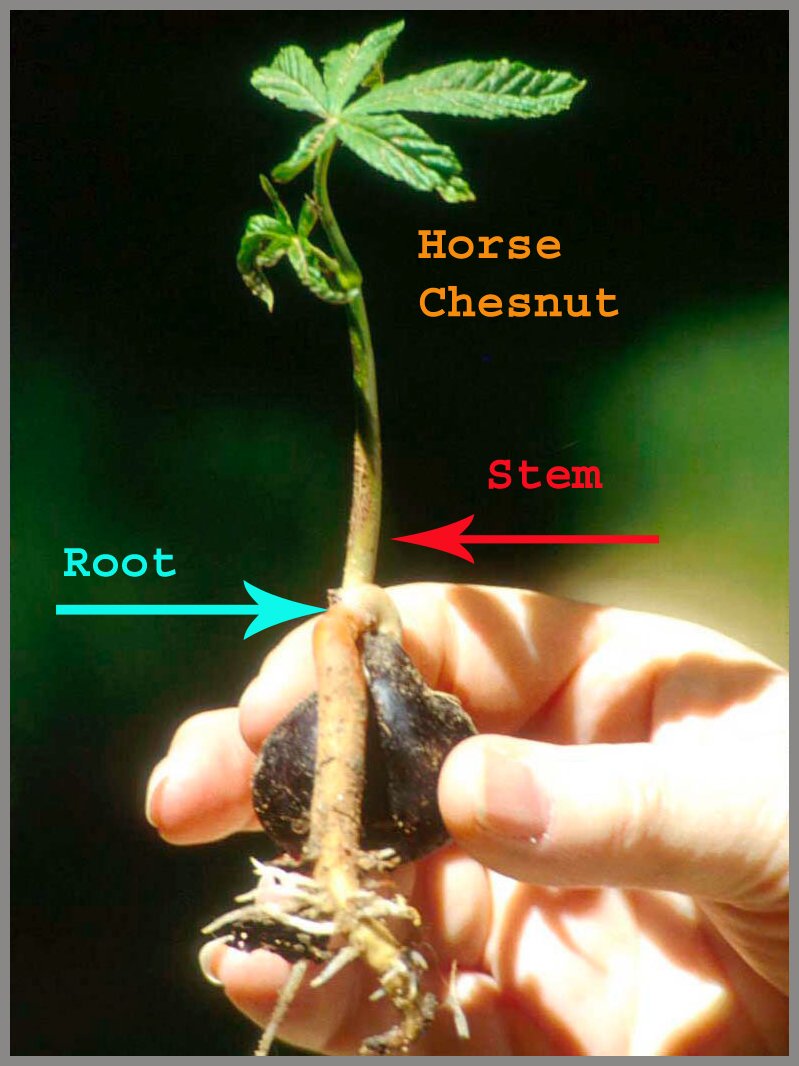
Taking herbs and dietary supplements that strengthen vein walls, such as butcher's broom, horse chestnut, bromelain, and Japanese pagoda tree extracts. Drinking 99% pure aloe juice can also relieve itching and swelling.
Topical application of natural astringents and soothing agents, such as Witch hazel (astringent), cranesbill and aloe vera
Eating fiber-rich bulking agents such as plantain and Psyllium seed husks to help create soft stool that is easy to pass to lessen the irritation of existing hemorrhoids.
Using the squatting position for bowel movements.[
Oral dietary supplementation can help to treat and prevent many complications of hemorrhoids, and natural botanicals such as Butchers Broom, Horse Chestnut, and bioflavonoids can be an effective addition to hemorrhoid treatment.
Butcher's Broom: Butcher’s broom extract, or Ruscus aculeatus, contains ruscogenins that have anti-inflammatory and vasoconstrictor effects. Supplementation with Butcher’s Broom helps tighten and strengthen veins. Butcher’s broom has traditionally been used to treat venous problems including hemorrhoids and varicose veins.
Taking herbs and dietary supplements that strengthen vein walls, such as butcher's broom, horse chestnut, bromelain, and Japanese pagoda tree extracts. Drinking 99% pure aloe juice can also relieve itching and swelling.
Topical application of natural astringents and soothing agents, such as Witch hazel (astringent), cranesbill and aloe vera
Eating fiber-rich bulking agents such as plantain and Psyllium seed husks to help create soft stool that is easy to pass to lessen the irritation of existing hemorrhoids.
Using the squatting position for bowel movements.[
Oral dietary supplementation can help to treat and prevent many complications of hemorrhoids, and natural botanicals such as Butchers Broom, Horse Chestnut, and bioflavonoids can be an effective addition to hemorrhoid treatment.
Butcher's Broom: Butcher’s broom extract, or Ruscus aculeatus, contains ruscogenins that have anti-inflammatory and vasoconstrictor effects. Supplementation with Butcher’s Broom helps tighten and strengthen veins. Butcher’s broom has traditionally been used to treat venous problems including hemorrhoids and varicose veins.
Horse Chestnut: Horse chestnut extract, or Aesculus hippocastanum, contains a saponin known as aescin, that has anti-inflammatory, anti-edema, and venotonic actions. Aescin improves tone in vein walls, thereby strengthening the support structure of the vein. Double blind studies have shown that supplementation with horse chestnut helps relieve the pain and swelling associated with chronic venous insufficiency.
Bilberry Bioflavonoid: Bilberry extract, or Vaccinium myrtillus, is an anthocyanoside bioflavonoid. Supplementation with this potent flavonoid protects and maintains venous strength and function.
Saturday, March 3, 2007
Causes of hemmorhoids

The causes of hemorrhoids include genetic predisposition (weak rectal vein walls and/or valves), straining during bowel movements, and too much pressure on the rectal veins due to poor muscle tone or poor posture. Hemorrhoids may also result from portal hypertension because of the portacaval anastomoses.
Additional factors that can influence the course of hemorrhoids (mostly by increasing rectal vein pressure), especially for those with a genetic predisposition, are obesity and a sedentary lifestyle.
Constipation, chronic diarrhea, poor bathroom habits, pregnancy, postponing bowel movements, and fiber-deprived diet may be associated with bowel movement and straining, but not all of these have been conclusively proved to cause hemorrhoids.
Additional factors that can influence the course of hemorrhoids (mostly by increasing rectal vein pressure), especially for those with a genetic predisposition, are obesity and a sedentary lifestyle.
Constipation, chronic diarrhea, poor bathroom habits, pregnancy, postponing bowel movements, and fiber-deprived diet may be associated with bowel movement and straining, but not all of these have been conclusively proved to cause hemorrhoids.
Friday, March 2, 2007
Hemorrhoids are actually varicose veins in the anus and rectum. They occur when blood vessels that are either inside the anus or around it become swollen. The more swollen they become, the more painful they are. Hemorrhoids may cause bleeding, and their constant irritation could lead to itching. However, most often itching is a sign of pinworms or an overgrowth of Candida albicans.
The following can cause hemorrhoids: constipation, chronic diarrhea, straining when you go to the bathroom, and any pressure that contributes to congestion in veins in that area (like coughing, sneezing, or sitting or standing for long periods of time). But let's face it, if you have strong blood vessels, sneezing and sitting won't give you hemorrhoids.
Traditional Hemorrhoids Treatment:
The first step in most doctors' approach to treating hemorrhoids is to suggest a high-fiber diet and bulking agents, such as Metamucil. Next, they typically suggest taking laxatives for constipation. The problem is that some of the herbs used in laxative formulas, such as senna leaf, are harsh and irritating. Instead, eat a higher fiber diet and take ground flaxseed if your intestines need a little help.
Daily sitz baths can reduce inflammation. Get a large plastic basin and put it in your bathtub. Put two to three inches of hot water (110-120 degrees) in the basin and sit in it for about 20 minutes. If possible, add some hotter water in the tub so your feet are warmer than your bottom. Bring a cold washcloth with you so you don't get too warm. Afterward, take a cool shower or splash the area with cool water and gently dry well.
Topical anti-inflammatory suppositories (such as Anusol and Preparation H) may give temporary relief. But they don't address the problem like some herbal formulas.
Ligation is a more drastic therapy where your doctor ties a small rubber band tightly at the base of an external hemorrhoid. This cuts off circulation and the hemorrhoid falls off. Sometimes, it's necessary to repeat this treatment.
Finally, surgery may be an option if your hemorrhoids are particularly large or painful, or if bleeding won't stop. If you and your doctor think you have time to try other therapies, I have some safe suggestions.
The following can cause hemorrhoids: constipation, chronic diarrhea, straining when you go to the bathroom, and any pressure that contributes to congestion in veins in that area (like coughing, sneezing, or sitting or standing for long periods of time). But let's face it, if you have strong blood vessels, sneezing and sitting won't give you hemorrhoids.
Traditional Hemorrhoids Treatment:
The first step in most doctors' approach to treating hemorrhoids is to suggest a high-fiber diet and bulking agents, such as Metamucil. Next, they typically suggest taking laxatives for constipation. The problem is that some of the herbs used in laxative formulas, such as senna leaf, are harsh and irritating. Instead, eat a higher fiber diet and take ground flaxseed if your intestines need a little help.
Daily sitz baths can reduce inflammation. Get a large plastic basin and put it in your bathtub. Put two to three inches of hot water (110-120 degrees) in the basin and sit in it for about 20 minutes. If possible, add some hotter water in the tub so your feet are warmer than your bottom. Bring a cold washcloth with you so you don't get too warm. Afterward, take a cool shower or splash the area with cool water and gently dry well.
Topical anti-inflammatory suppositories (such as Anusol and Preparation H) may give temporary relief. But they don't address the problem like some herbal formulas.
Ligation is a more drastic therapy where your doctor ties a small rubber band tightly at the base of an external hemorrhoid. This cuts off circulation and the hemorrhoid falls off. Sometimes, it's necessary to repeat this treatment.
Finally, surgery may be an option if your hemorrhoids are particularly large or painful, or if bleeding won't stop. If you and your doctor think you have time to try other therapies, I have some safe suggestions.
Thursday, March 1, 2007
Hemorrhoids Treatment, Relief, Washing and Cleansing : Handyspray's cleansing stream of water provides relief to people suffering from the pain and discomfort of hemorrhoids, This allows you to maintain good hygiene and keeping the hemorrhoids clean without wiping with abrasive tissue papers is the most important part of treating bleeding, painful and the itching associated with hemorrhoids. Multiple daily cleaning is most soothing and effective way to eliminate the use of messy creams and suppositories, which are unpleasant to use and are often ineffective. Wiping with dry toilet paper or wet wipes not only irritates the hemorrhoids. Doctors also recommend cleansing and washing hemorrhoids with a bidet over the use of moist pads because the ingredients in moist pads can sometimes produce an allergic reaction, which adds to the irritation and discomfort of hemorrhoids. Some physicians also believe that scents and inks in decorative toilet papers may cause irritation to hemorrhoids. 3 out 4 Americans have problems with hemorrhoids. And above age 50, half of these people will have experienced a hemorrhoid or other anal/rectal disorder that required therapy or medical treatment.
Subscribe to:
Posts (Atom)
